











Meta’s policy currently states that “visible female nipples, except in a breastfeeding or act of protest context” are not permitted on their platforms. Its definition of “female nipples,” by the way, is based on outdated and binary gender markers: first the app’s censors detect the presence of a nipple in an image, then, depending on how much fatty tissue that nipple is attached to, it’ll be deemed as “female” or not, regardless if it belongs to an intersex, non-binary, or trans person. Meta’s policy claims to make exceptions for nudity in medical or health contexts, but—whether accidental or not—the company has consistently flagged images of mastectomies and areola tattoos from breast cancer survivors as explicit content for years.
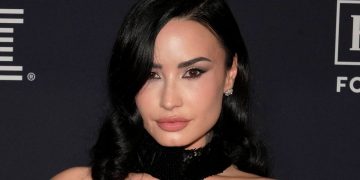
Although she’s technically covered up, Roan’s Grammys look reminds us of how absurd Meta’s—and social media at large’s—censorship of human bodies really is. Fully naked and realistic breasts without nipples are fine to spread across the internet, meanwhile, breasts with nipples apparently are not. Make it make sense!
While this sentiment has been consistently pointed out since the onset of the viral “Free the Nipple” campaign in the early 2010s, it’s still frustrating that women’s nipples (or the nipples of anyone a computer assumes is a woman) are deemed inherently sexual and offensive. But apparently, all that’s standing in the way of Instagram’s policy is an expertly applied pastie.
More on red carpet beauty:
Now, watch a dermatologist break down filler myths: