



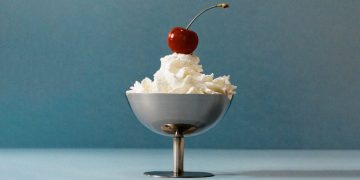



In the early aughts, the beauty aisle doubled as a dessert menu. Bath & Body Works was churning out frosting-inspired mists, Lancôme’s Marshmallow Juicy Tube lip glosses lined the purses of teens and adults alike, and Jessica Simpson launched an entire line of edible body products that promised to taste as good as they smelled (I can personally attest that they didn’t).
While the era’s self-care routines were sugar-filled, its diet fads were decidedly sugar-free. Pro-anorexia forums thrived on LiveJournal, ads for workout programs and weight loss pills dominated TV, and tabloids treated celebrity weight speculation like breaking news.
Fast forward twenty years, and we’ve somehow landed back in a strikingly similar cultural moment. After a fleeting moment in the 2010s when the body positivity movement gave us a glimmer of hope that beauty standards were finally broadening, the cultural celebration of thinness has returned with a vengeance. The resurgence started as a whisper with the rise of GLP-1 weight-loss medications like Ozempic and Wegovy and has since risen to a shout, reigniting the ultra-skinny ideal in a way we haven’t seen since the early aughts. Hashtags like #Y2KSkinny and #2000sSkinny climbed TikTok’s algorithm before the app started blocking searches for #SkinnyTok due to its glamorization of disordered eating (which, if you ask the experts, won’t help curb content that glorifies thinness or disordered eating).
All the while, I can’t help but notice that beauty, once again, is going all in on dessert. Scents of comfort—like vanilla, caramel, and tonka bean—have come back in full force just as diet culture has retightened its grip, a phenomenon I like to call “treat beauty.”
The Rise of “Treat Beauty”
Food-scented beauty products have always existed, but they haven’t always occupied this much cultural and commercial real estate. Throughout much of the 2010s, fragrance trends skewed more seductive than edible: spicy florals, musks, ambers, and earthy notes dominated perfume launches, with sweetness often playing a supporting role rather than the main event. Vanilla and other gourmand notes never wavered entirely, but in 2025, they moved decisively to center stage.
Right now, launches of dessert-themed fragrances are up 24 percent year over year, according to Mintel. In turn, gourmand notes like pistachio, milk, and honey have spilled over from perfume counters into body care, candles, and even makeup. “The trend now touches nearly every price point—from personal fragrances to candles that evoke favorite foods and the memories attached to them,” says Linda G. Levy, president of the Fragrance Foundation.
For example: In the back half of 2025 alone, Rhode Beauty celebrated Hailey Bieber’s birthday with limited-edition lip tints that smell—and taste—like tiramisu, vanilla soft serve, and crème brûlée (that’s on top of the numerous other glazed-donut-themed products she sells); Bath & Body Works’ Milk Bar collaboration turned the bakery’s best-selling confections into soaps and lotions; and Beekman 1802’s partnerships with Hershey’s and Libby’s promised “Foodified” skincare inspired by chocolate bars and pumpkin pie.
The juxtaposition between all these little-treat-themed products and our resurgent diet culture is jarring but not coincidental, if you ask nutritionist Jim LaValle, the co-director of the Fellowship in Longevity Medicine at the American Academy of Anti-Aging Medicine. “Traditional diet culture emphasized restraint and guilt. Now we’ve entered a ‘controlled indulgence’ era where the messaging is: You deserve a treat, just not one that affects your waistline,” he says. “Beauty brands have tapped into that psychology brilliantly, offering calorie-free luxury through serums, masks, and candles.”